
1. Dogs Were the First Domesticated Animal
Dogs hold the title of the very first animal domesticated by humans, long before cats, horses, or livestock. Genetic research shows they diverged from wolves somewhere between 20,000 and 40,000 years ago, with the oldest confirmed dog remains (discovered in Germany) dating back approximately 14,200 years. This ancient partnership helped early humans with hunting, protection, and warmth.

2. They Can Understand Over 250 Human Words
The average dog recognizes around 165 words and commands, but the most intelligent breeds can understand far more. A Border Collie named Chaser became world-famous for learning the names of 1,022 different toys and retrieving them correctly on command. This impressive ability puts their language comprehension on the same level as a 2- to 3-year-old human child.
3. Their Sense of Smell Is Superhuman
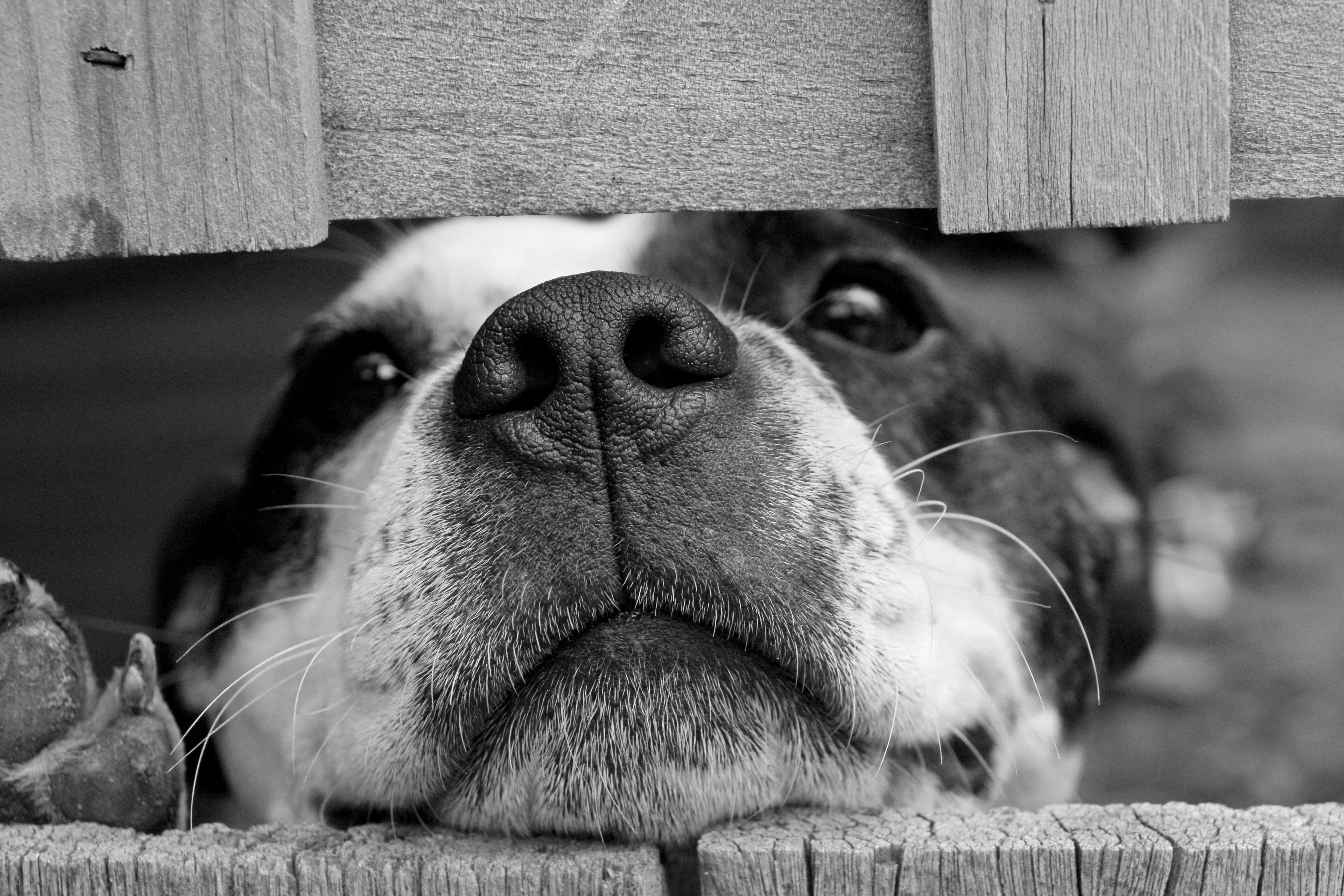
A dog’s nose contains up to 300 million scent receptors, compared to roughly 6 million in humans. This gives them the ability to detect odors at concentrations as low as 1 to 2 parts per trillion — the equivalent of sniffing out a single teaspoon of sugar dissolved in two Olympic-sized swimming pools. This incredible sense makes them invaluable in search-and-rescue, bomb detection, and medical alert roles.

4. Dogs Sweat Through Their Paws
Unlike humans who sweat across their entire body, dogs primarily regulate temperature by panting. They also have specialized sweat glands located in their paw pads, which release moisture to help cool them down. This is why you’ll often notice damp paw prints on hot tiles or floors during warm weather.
5. They Dream Just Like Humans
Dogs experience the same sleep cycles as we do, including REM (rapid eye movement) sleep — the stage where vivid dreaming occurs. During these dreams, you might see their legs twitching, tails wagging, or soft whimpers as they “chase rabbits” in their sleep. Puppies and older dogs tend to spend more time in the dreaming phase.
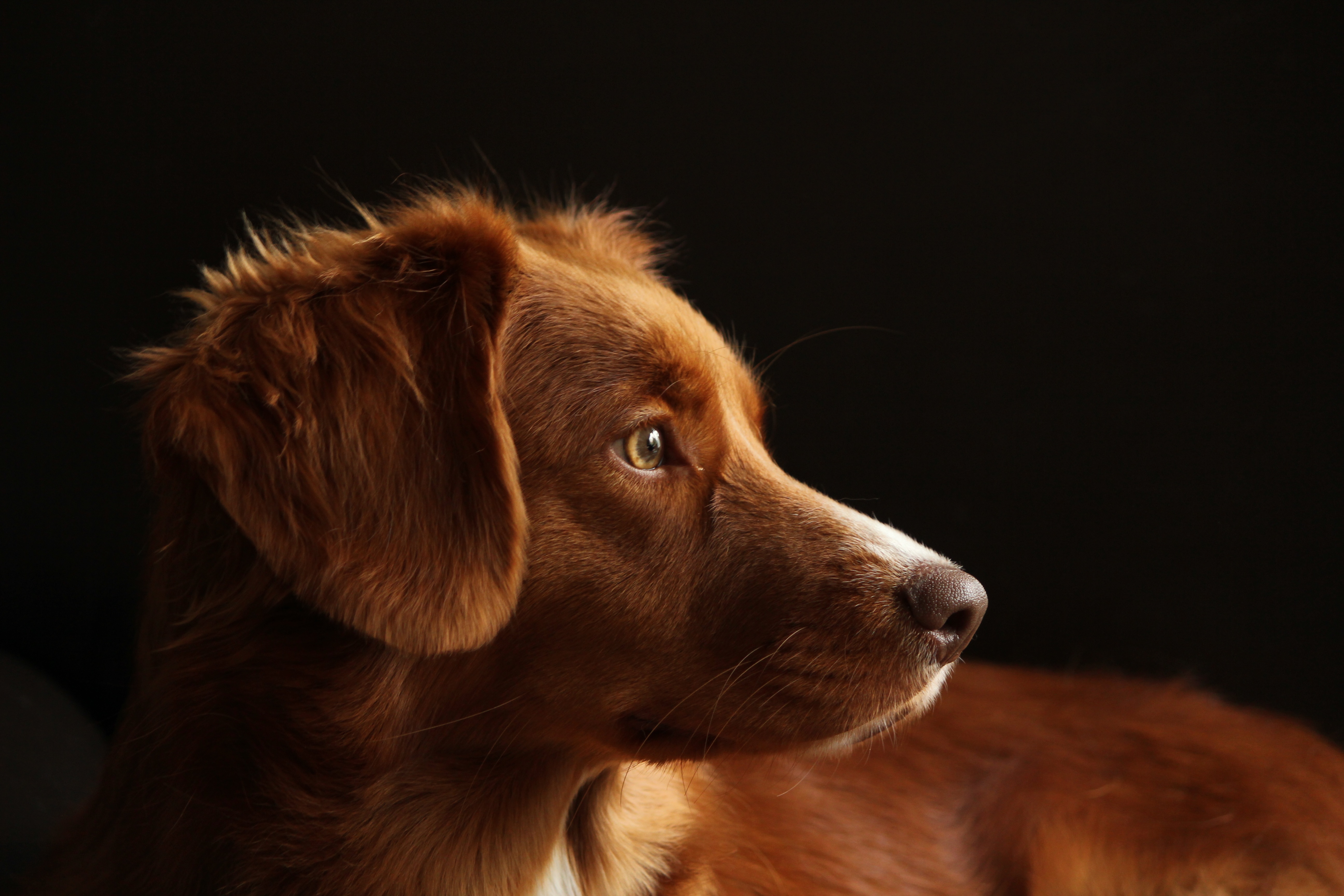
6. The Size Difference Is Extreme
Dogs show the widest size variation of any mammal species. The smallest dog ever recorded was a tiny Chihuahua weighing just 1.9 pounds (0.86 kg), while the tallest was a Great Dane named Zeus who stood an impressive 44 inches (112 cm) at the shoulder. This huge range means there’s a perfect size dog for almost every lifestyle and living situation.
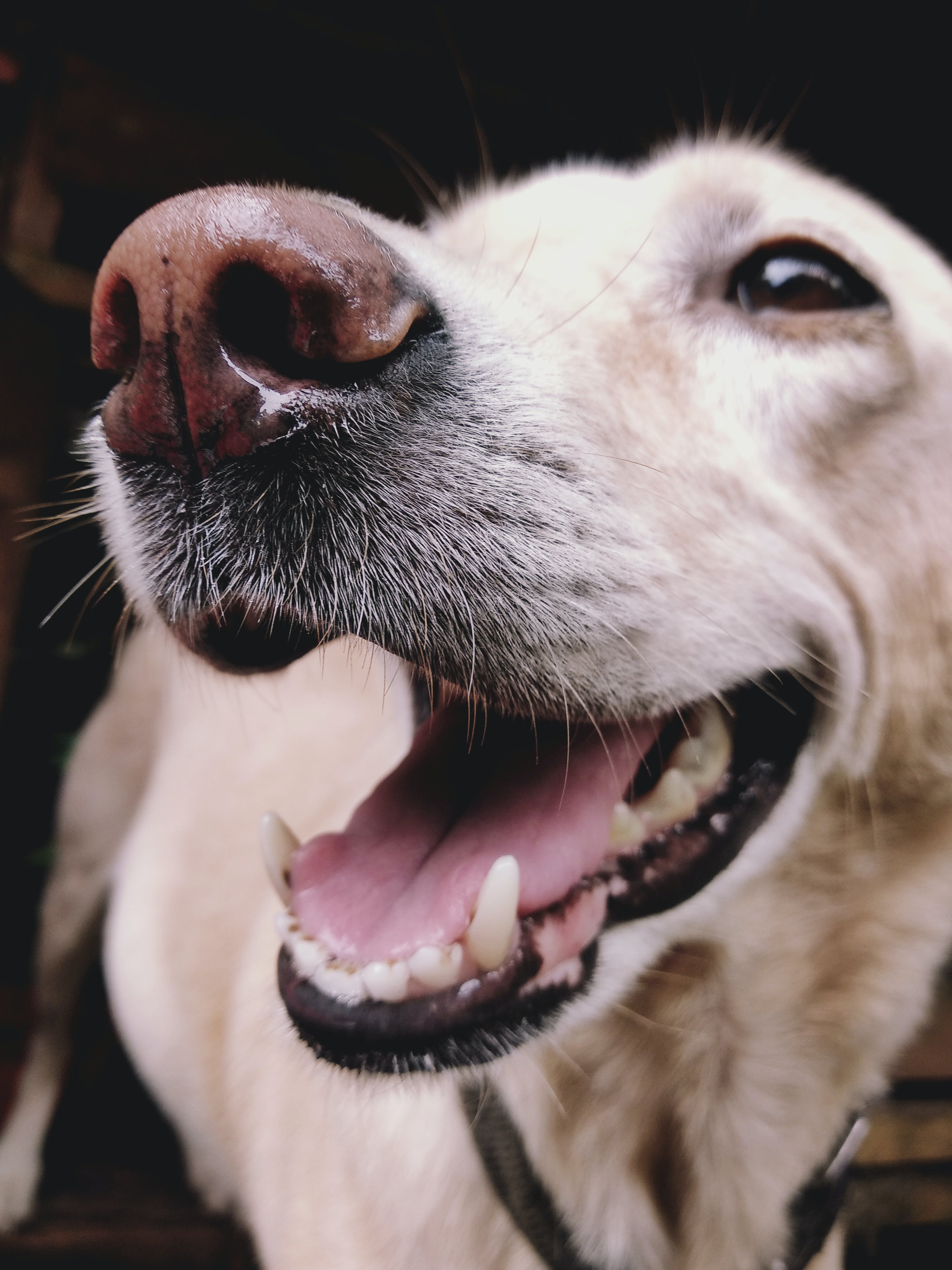
7. Dogs Have Three Eyelids
Every dog has three eyelids: an upper lid, a lower lid, and a special third eyelid called the nictitating membrane. This clear or translucent inner lid sweeps across the eye to remove debris, spread tears, and provide extra protection — especially useful when dogs are running through tall grass, brush, or water.
8. A Dog’s Nose Print Is Unique
Just like human fingerprints, no two dogs have the exact same nose print. The pattern of grooves and ridges on a dog’s nose is completely individual and can even be used for official identification in some countries, similar to how we use fingerprints

9. They Can Smell Human Emotions
Dogs are incredibly tuned into our emotional states. They can detect tiny chemical changes in our sweat, breath, and hormones that signal fear, anxiety, happiness, or even medical emergencies like seizures and low blood sugar. This remarkable ability is why service dogs can alert their owners to panic attacks or diabetic episodes before the person realizes something is wrong.
10. The World’s Oldest Dog Lived to 29.5 Years
The record for the oldest dog belongs to Bluey, an Australian Cattle Dog who lived from 1910 to 1939 — an incredible 29 years and 5 months. While the average lifespan is 10–13 years, smaller breeds generally live longer than giant breeds, and good genetics, diet, and exercise can significantly extend a dog’s healthy years.
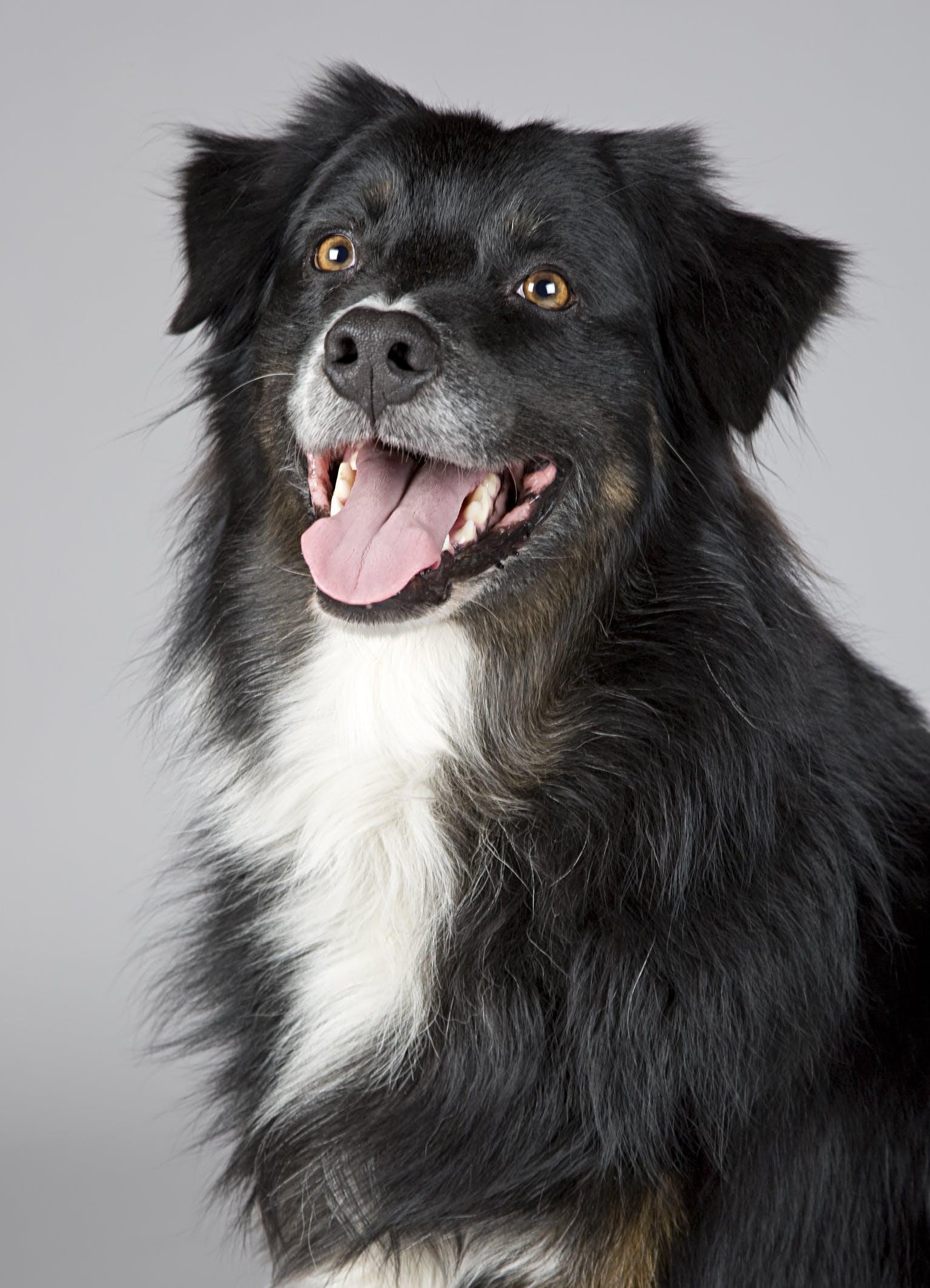
11. Dogs See Blue and Yellow Best
Dogs are not fully colorblind as many people believe. They are dichromats, meaning they see the world primarily in shades of blue and yellow, while reds and greens appear more muted or grayish. This vision is perfectly adapted for their lifestyle as hunters and companions in natural environments.
12. One Dog Waited 9 Years for His Owner
Hachiko, a Japanese Akita, is the ultimate symbol of loyalty. After his owner died suddenly in 1925, Hachiko continued going to the Shibuya train station every single day for nine years to wait for him. His story touched the hearts of people worldwide and a bronze statue now stands at the station in his honor.
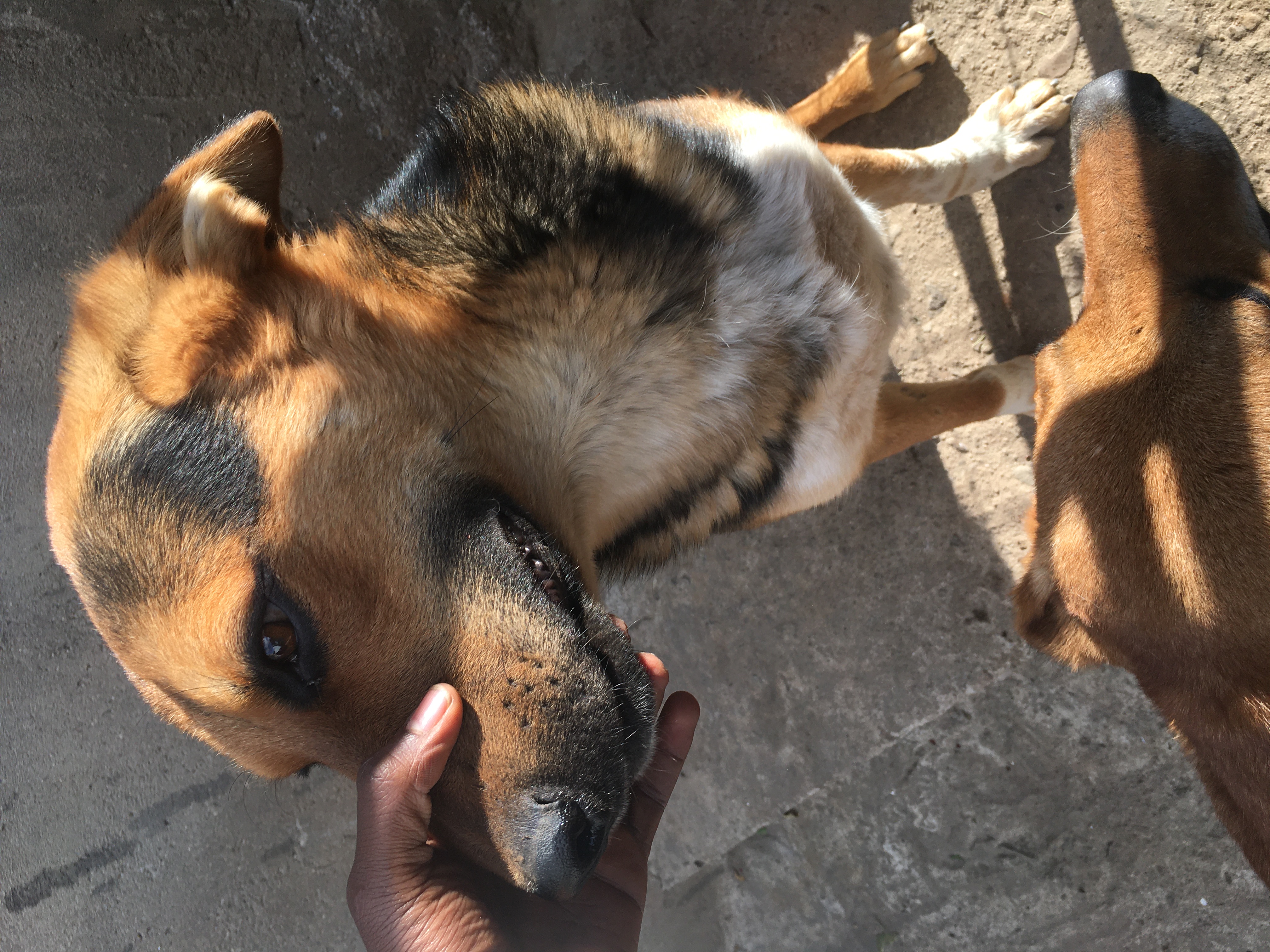
Bonus: Why Dogs Make Us Healthier Owning a dog has proven health benefits — lower blood pressure, reduced cholesterol, less stress, and stronger immune systems in children who grow up with them.
Comments (0)
No comments yet. Be the first to share your thoughts!